
You look around and change is happening everywhere. The way we live, the way we use resources and the way human activity shapes the natural world are constantly evolving. But positive change does not “just” happen because problems exist. It happens when people are willing to see problems differently, imagine what could be possible and take action.
Across South West Nigeria, young people are already doing exactly that.
In classrooms and learning farms, forests, university campuses and communities, young environmental leaders are finding creative ways to respond to the challenges facing our ecosystems. As part of the Youth4Forests Summit 2026, we are proud to recognize four young environmental leaders selected as Youth4Forests Changemakers – Anjola Ayodele (Lagos), Olawumi Stephen (Osun), Zulaikha Omayoza (Oyo) and Tolulope Alo (Ondo).
Their work reflects the diversity of youth-led environmental action including climate education and community action, forest monitoring, circular innovation, biodiversity advocacy and environmental leadership.
Anjola Ayodele: Helping Young People Learn to Protect the Environment
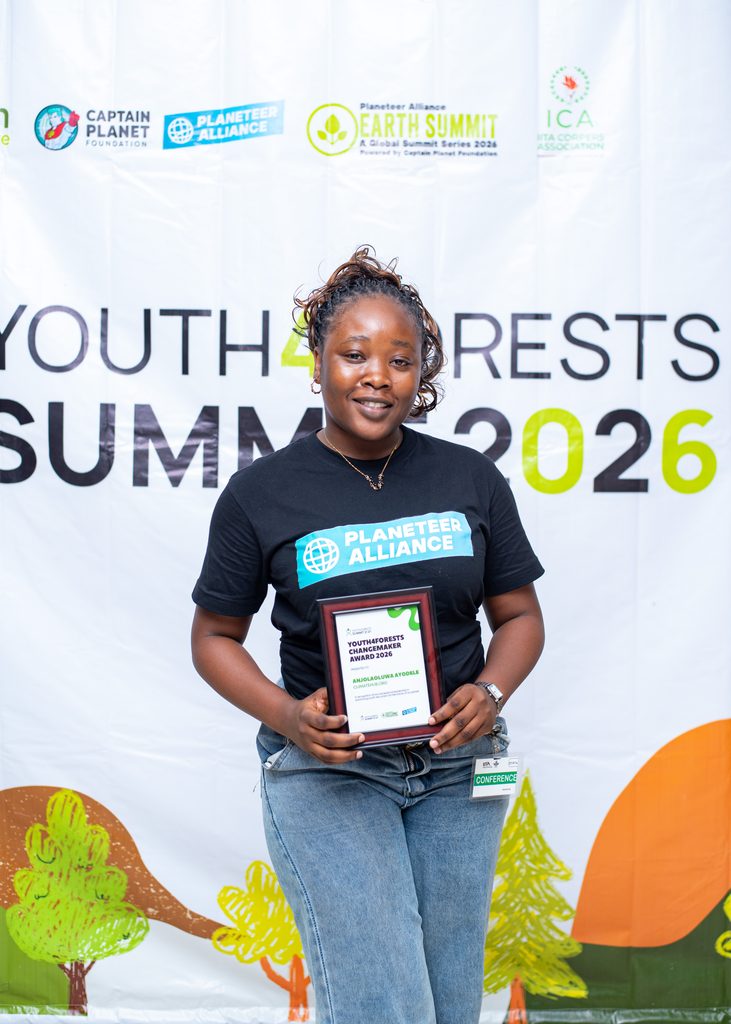
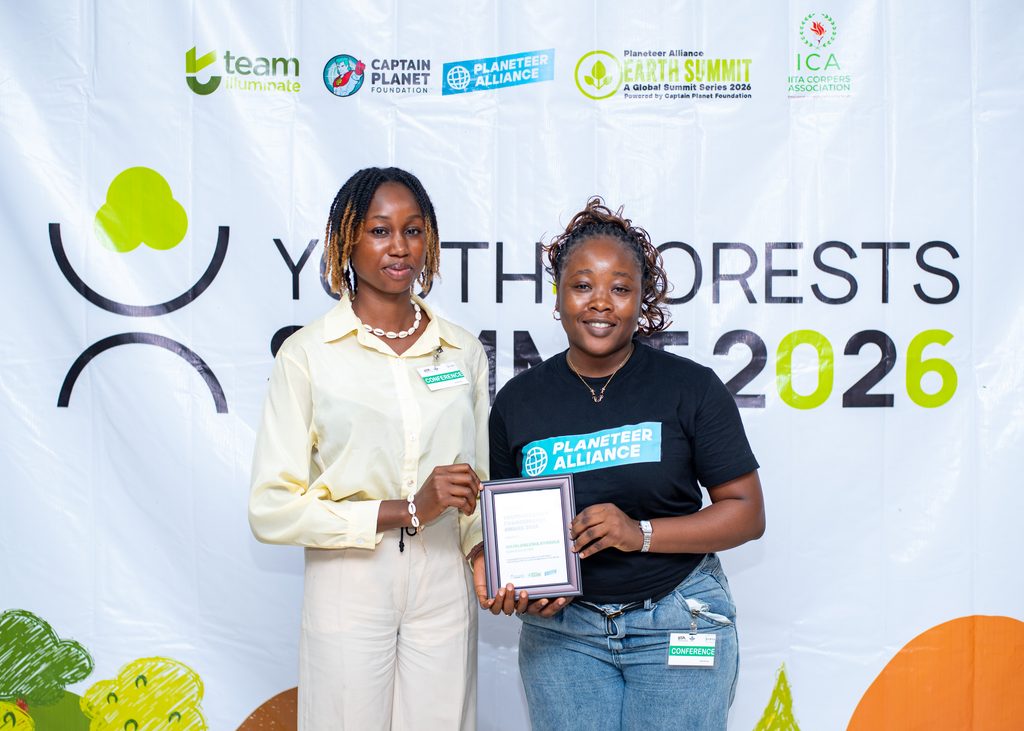
Anjola Ayodele’s journey into changemaking began with being the child who once felt left behind. After struggling within an education system that did not understand how she learned, Anjola rebuilt her confidence with the support of a teacher. That experience shaped her belief that every young person deserves the opportunity to understand themselves, learn differently and contribute meaningfully.
At 17, she founded MyDreamNigeria (MDN), bringing young people together for community service, environmental clean-ups, school outreach and advocacy. In 2023, that work evolved into ClimateHub.org, a youth-led initiative connecting education with climate action.
Since then, Anjola has led climate clubs, community clean-ups, tree and crop planting, school initiatives reaching thousands of children and young people and advocacy for climate education to become part of formal education systems.
Through her Climate Club, children and teens learn climate literacy, sustainability, leadership and environmental responsibility through a tailored curriculum, hands-on activities and collaboration with teachers, parents and school authorities.
Together with the children, Anjola built a learning farm offering practical experience in growing crops such as maize, cassava and soursop, teaching on sustainable agriculture and conservation.
Through her TrashIt project,she has mobilised more than 100 young people across 7 communities for environmental clean-ups and sustainability action. Her climate bootcamps and campaigns further connect climate education with circular economy thinking, advocacy and community participation.
Since evolving from MyDreamNigeria into ClimateHub.org in 2023, the initiative has reached more than 3,500 children and young people, designed and implemented more than 10 tailored curricula and learning programmes and delivered a Climate Action Bootcamp for more than 150 participants.
For Anjola, changemaking is beyond projects. It is about redesigning the systems and experiences that shape young people’s lives.
“The child who once felt left behind is now working to ensure fewer children are.”
Her work is helping young people move from learning about environmental problems to seeing themselves as capable of solving them.
Olawumi Stephen: Turning Agricultural Waste into Opportunity
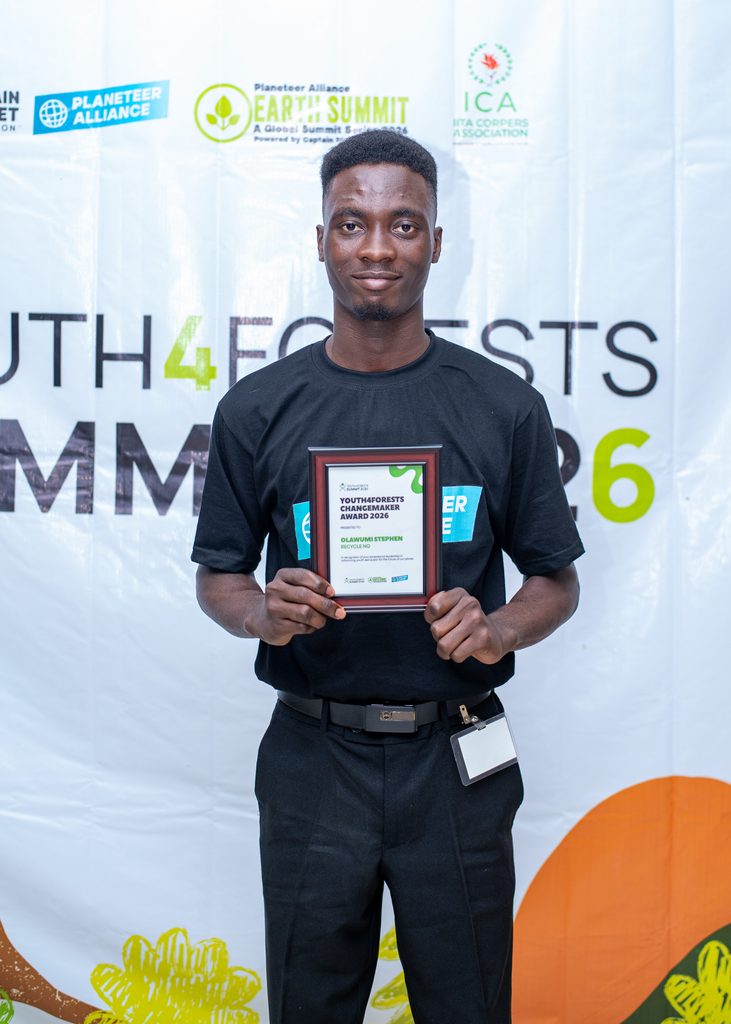
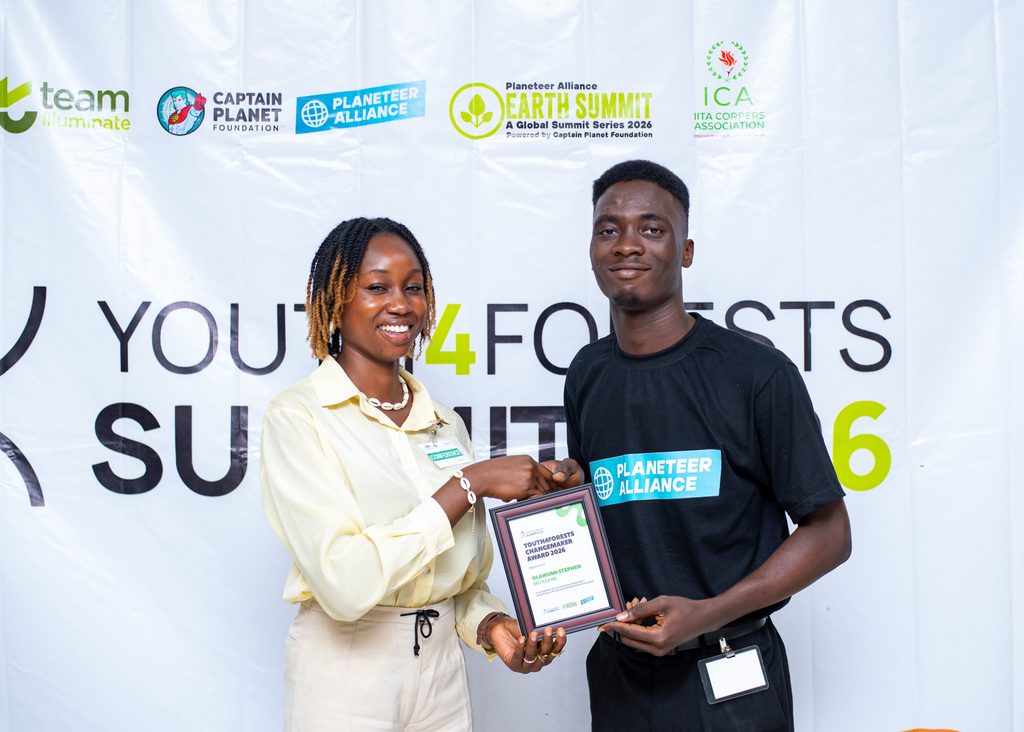
Olawumi Stephen, wasn’t trying to become a changemaker but he always found himself asking, “Why is this still a problem?”
The 19-year-old Agricultural and Environmental Engineering student at Obafemi Awolowo University almost became accustomed to the discomfort of the choking smoke from burning waste and agricultural residues abandoned by the streets. He began wondering whether these materials could be put to better use.
That question led to RecycleNG, a digital agricultural waste intelligence platform designed to connect farmers, agro-processors, recycling companies and environmental stakeholders.
The platform reimagines agricultural waste as a resource rather than a burden, using tools such as an interactive recycling map, waste reporting system, value guide, knowledge centre and business matching platform to connect waste producers with opportunities for reuse and recycling.
For Olawumi, innovation is about more than building technology. It is about redesigning systems so sustainability becomes practical, accessible and scalable.
“Sometimes it begins with one student deciding to build instead of waiting.”
Through RecycleNG, he is exploring how technology can make waste systems more connected and circular, while encouraging other young people to see themselves as capable of building solutions.
Zulaikha Omayoza: Inspiring Young People to Protect Nature
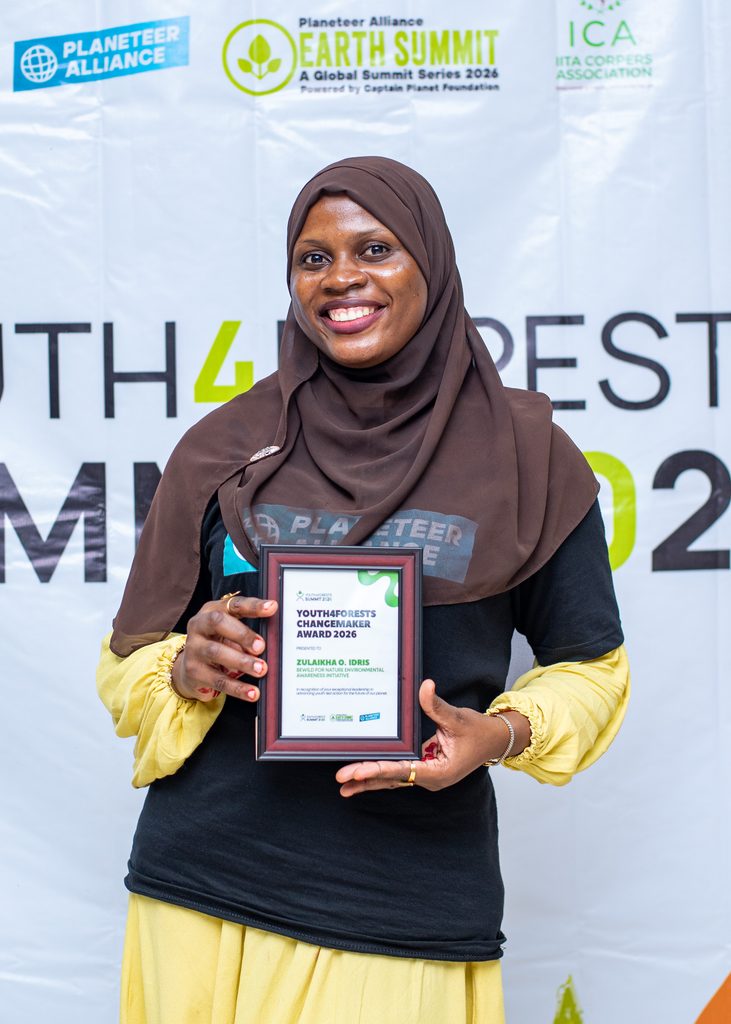
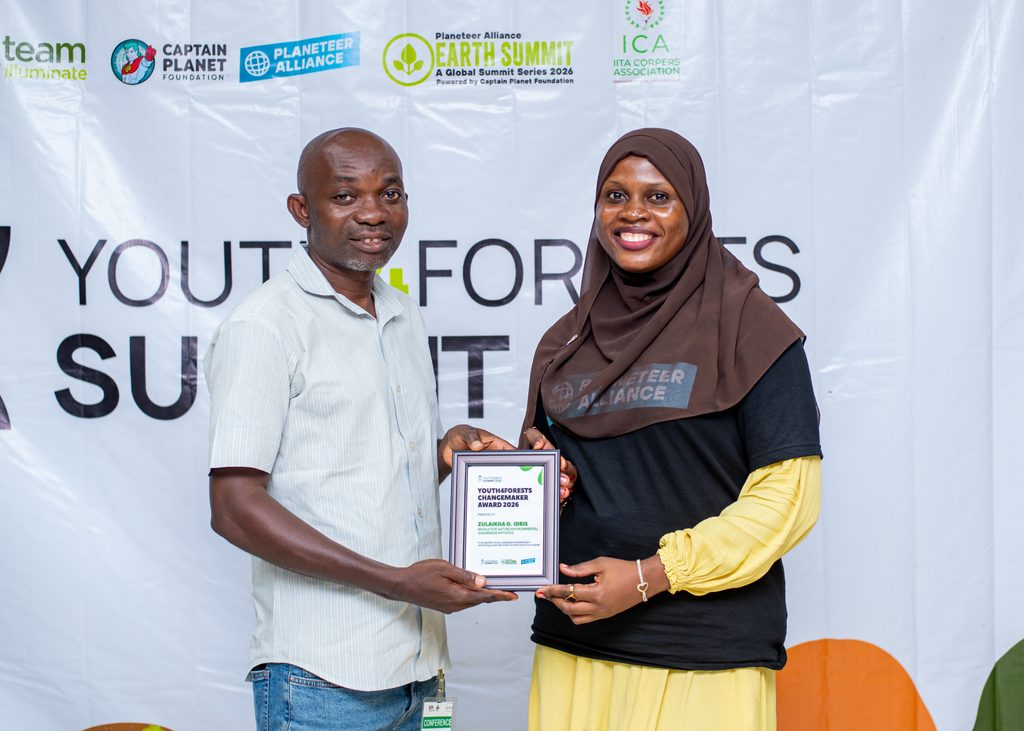
For Zulaikha Omayoza, caring for nature began with caring for animals.
Growing up as the self-described “pet mum” in her family, Zulaikha developed an early appreciation for animals and the need to protect living things. As she grew older, she began to understand the connection between environmental degradation, human health, livelihoods and future opportunities.
Through the BeWild for Nature Environmental Awareness Initiative, Zulaikha uses community education and digital advocacy to encourage young people to take action for biodiversity and environmental protection.
As a UNODC BeWild for Nature Champion, she organised a World Wildlife Day outreach focused on biodiversity, forests and individual action. She has also led upcycling and waste management outreach, including an engagement with 100 students at Remo Secondary School on plastic pollution and sustainable waste management.
Across her environmental education activities, Zulaikha has reached more than 300 young people, while using social media to make conversations around climate action and sustainability more accessible. Her work has also received international recognition, including being featured by the United Nations.
“Its greatest impact has been inspiring young people to recognise that protecting forests, biodiversity and nature begins with individual action.”
Through education, advocacy and community engagement, Zulaikha is helping young people see environmental protection as something they can actively participate in.
Tolulope Alo: Using Technology to Understand Local Forests
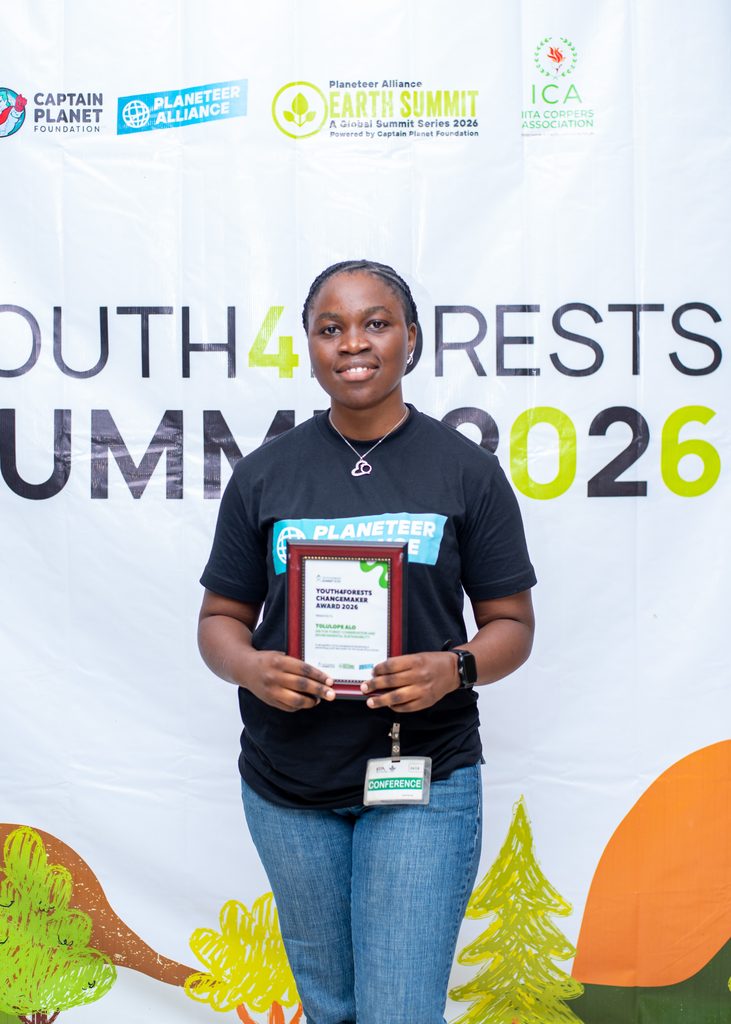
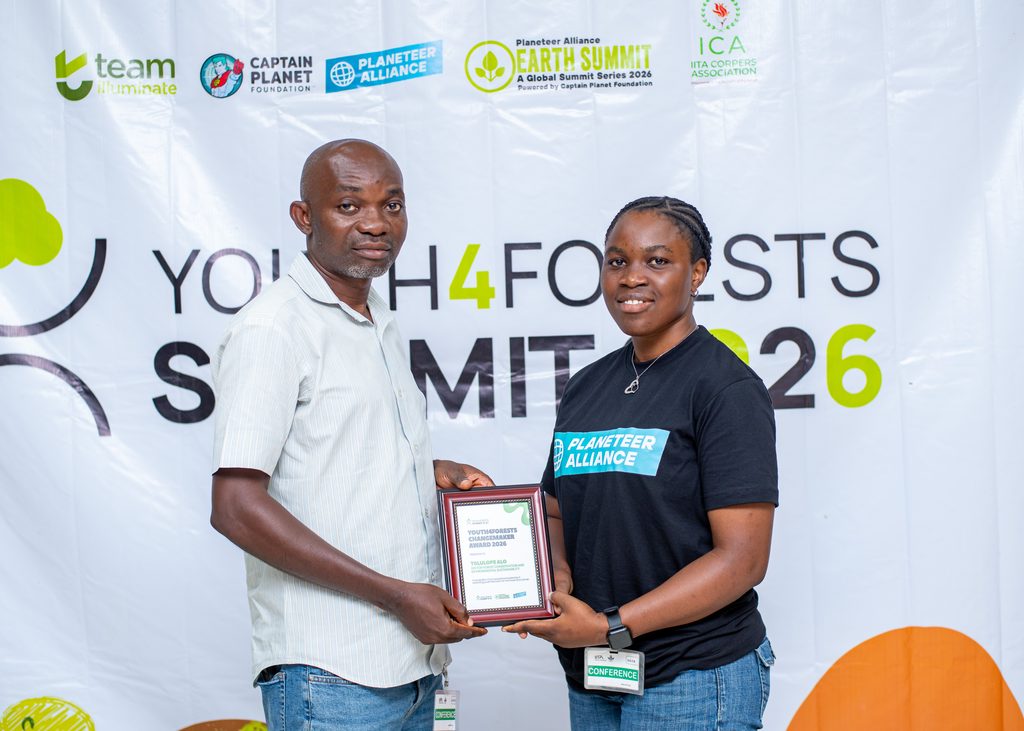
At first, studying Forestry and Wood Technology was not Tolulope‘s plan but she eventually found her purpose through the forests themselves.
Her university journey has been characterized by field trips to forests, wetlands and different ecosystems which sparked a passion for understanding and protecting the natural world.
The 20-year-old Forestry and Wood Technology student learnt about Geographic Information Systems (GIS) and Remote Sensing, and realized that environmental decisions are often made without sufficient spatial information which is why she now uses data to support forest conservation and environmental management.
Her work involves analysing land use and land cover, vegetation health, water bodies, terrain, rainfall and soil characteristics to generate information for environmental decision-making. She has also worked on flood susceptibility mapping and is exploring tree canopy height mapping for forest monitoring and restoration planning.
While analysing the Omo Forest Reserve, Tolulope discovered mountainous and steep terrain that she had not expected. Using slope and elevation analysis, she was able to uncover environmental patterns that might not have been immediately obvious through field observation alone.
“GIS can reveal important environmental patterns that are difficult to notice during field visits alone.”
Beyond her technical work, Tolulope promotes forestry awareness as International Social Media Head of the International Forestry Students’ Association (IFSA), connecting young people with forestry knowledge and opportunities.
Four Changemakers. Four Approaches. One Movement.
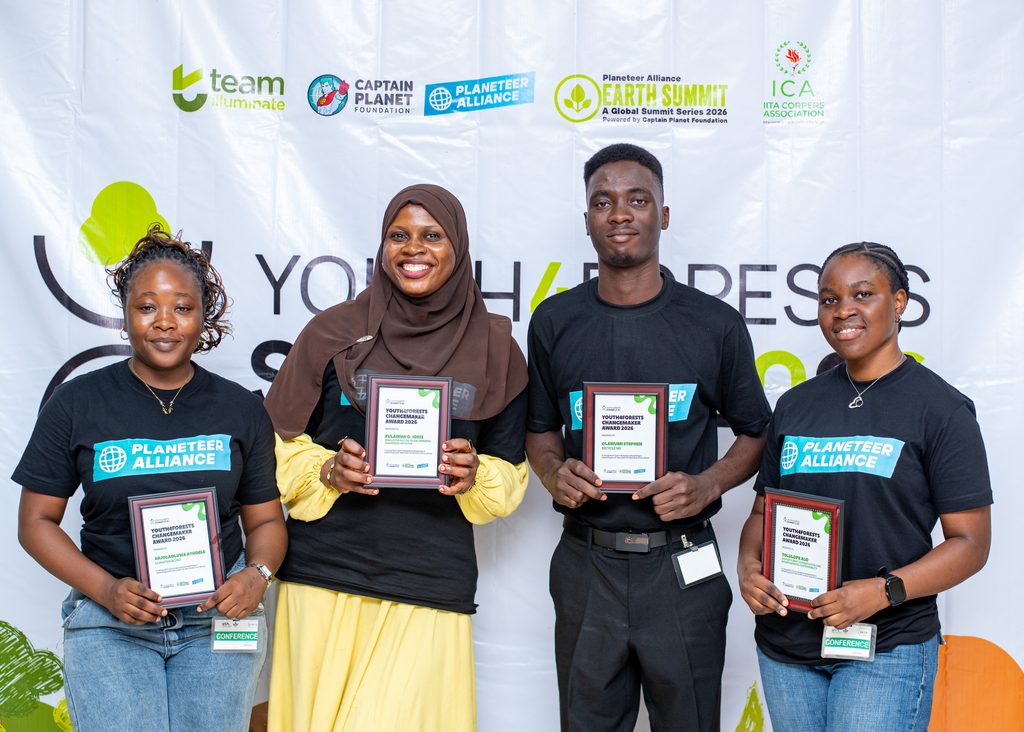
Although, Anjola, Stephen, Zulaikha and Tolulope are working in very different ways.
Together, their stories demonstrate that there is no single way to be a changemaker.
You can educate. You can build. You can organise. You can advocate. You can work with data or technology. What matters is the willingness to move from concern to action.
The Youth4Forests Changemaker Award celebrates young people who are already taking that step. At the Youth4Forests Summit 2026, Anjola, Tolulope, Olawumi and Zulaikha were recognized for their leadership, initiative and contribution to environmental conservation across South West Nigeria.
The future of conservation will be built by people willing to experiment, collaborate, learn and keep going. These are four young people already doing just that.