
On 25 and 26 September 2026, Team Illuminate hosted Youth4Forests 2026, a South West Nigeria Regional Planeteer Summit bringing together young environmental leaders for a two-day experience that combined nature exploration, environmental education, career conversations, solution-building, youth recognition and global exchange.
The summit was hosted as part of the Planeteer Alliance Earth Summit Series, supported by the Captain Planet Foundation, which brings together young people across the world who are turning their passion for the planet into action. In 2026, Planeteer Earth Summit activities were hosted across 10 countries on the same weekend, creating spaces for young people to take locally relevant action for the planet.
For Team Illuminate, Youth4Forests was particularly significant. It became the first Regional Planeteer Summit, creating a space specifically focused on young people and the future of forests in South West Nigeria.
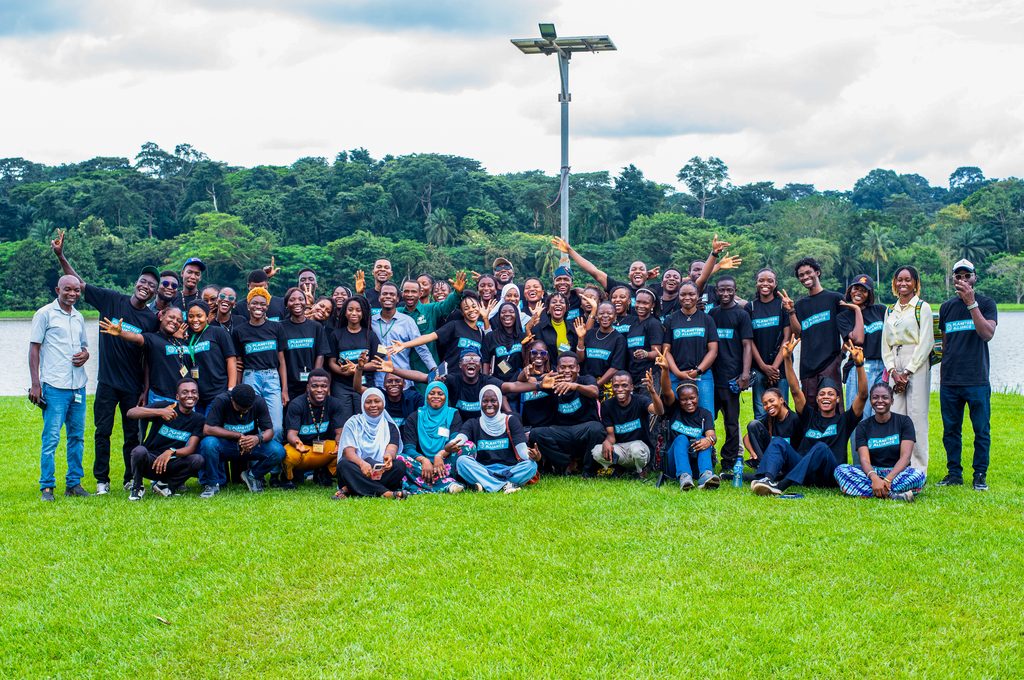
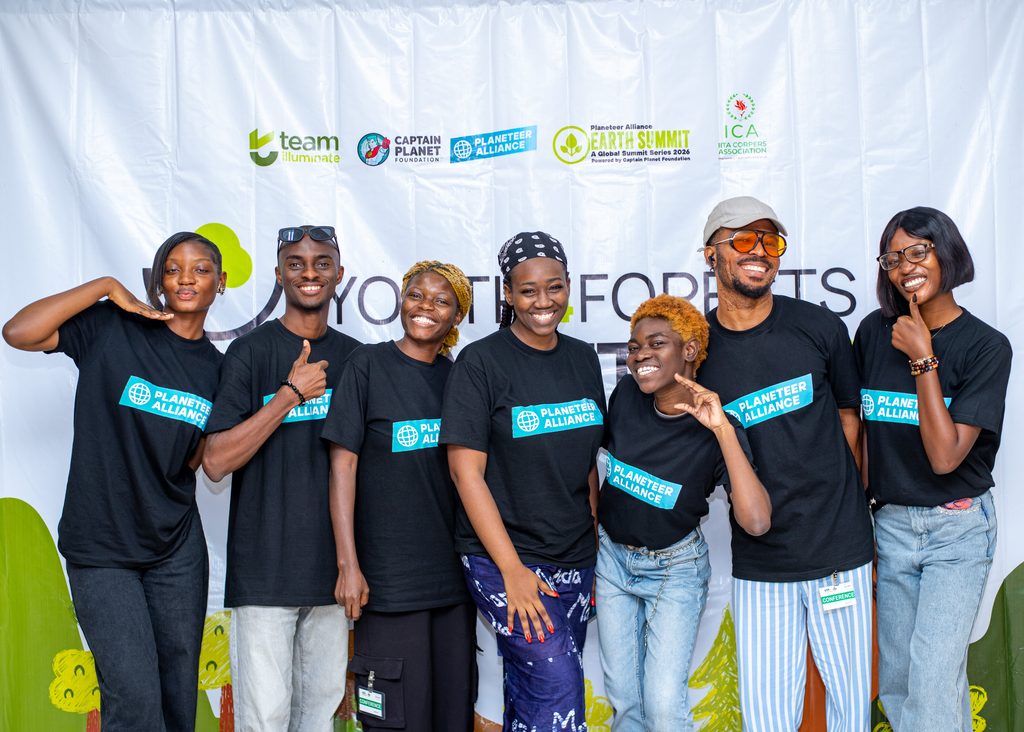
The summit brought together 80+ young people from Lagos, Oyo, Ogun, Ondo, Osun and Ekiti, creating a regional gathering of young people interested in forestry, biodiversity, environmental education, conservation, agriculture and sustainability.
The summit was moderated by Victoria James, the summit co-host, and officially opened by Saviour Iwezue, Founder of Team Illuminate and host of Youth4Forests Summit.
In his opening remarks, Saviour reflected on the relationship between development and nature:
“We live in a world where industrial and economic development has, in many places, come at the expense of natural ecosystems but we believe young people can help facilitate recovery, restoration and a form of development that does not have to choose between people thriving and nature thriving.”
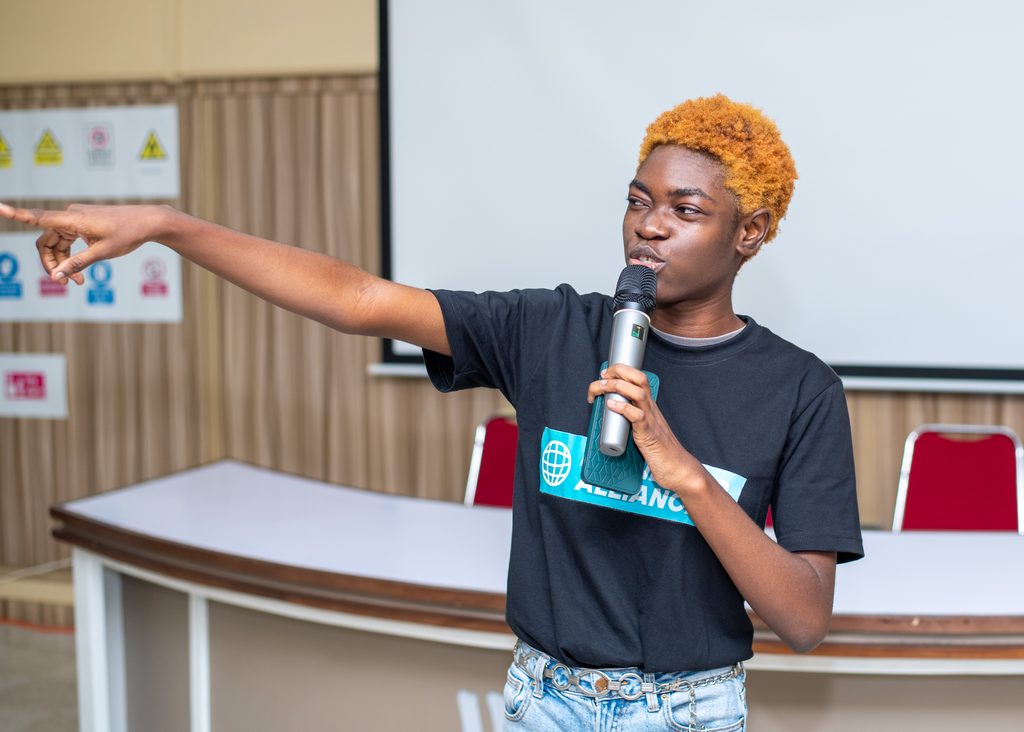
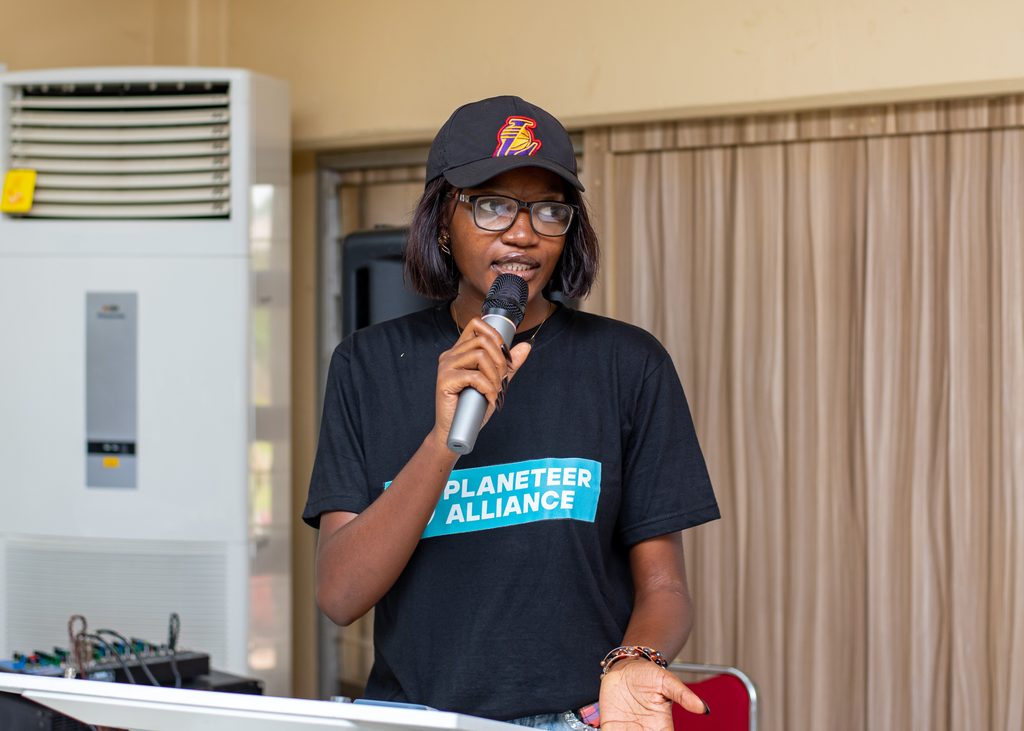
The message was simple. This summit was not designed to only talk about forests.
It was designed to help young people experience them, understand them and think about what it means to protect them. If there was one activity delegates were particularly excited about, it was the forest tour.
Soon after the opening session, delegates travelled into the IITA Forest Center, where they explored the forest reserve with experienced guides.
For many participants, this was more than a tour. It was an opportunity to slow down and actually notice the ecosystem around them.
Delegates observed trees, plants and birds, asked questions, learned about the forest and became curious about the biodiversity around them. Some were already familiar with environmental conversations, but being physically surrounded by a living ecosystem created a different kind of learning. There is something different about hearing about biodiversity in a classroom and standing in a forest trying to identify what you are seeing.
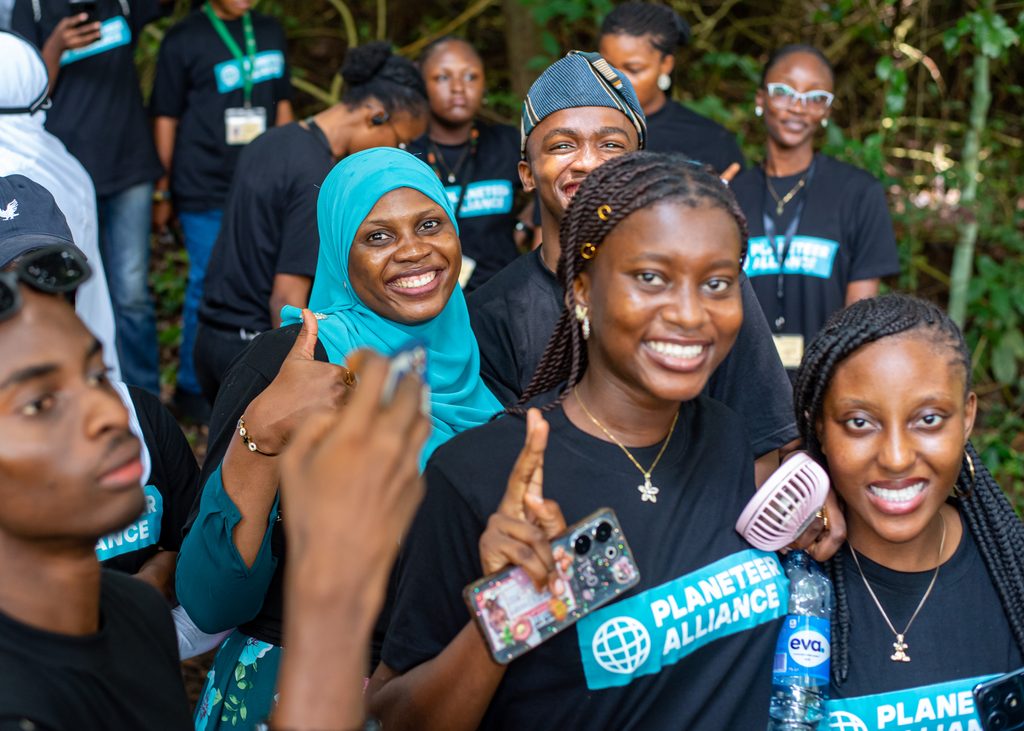
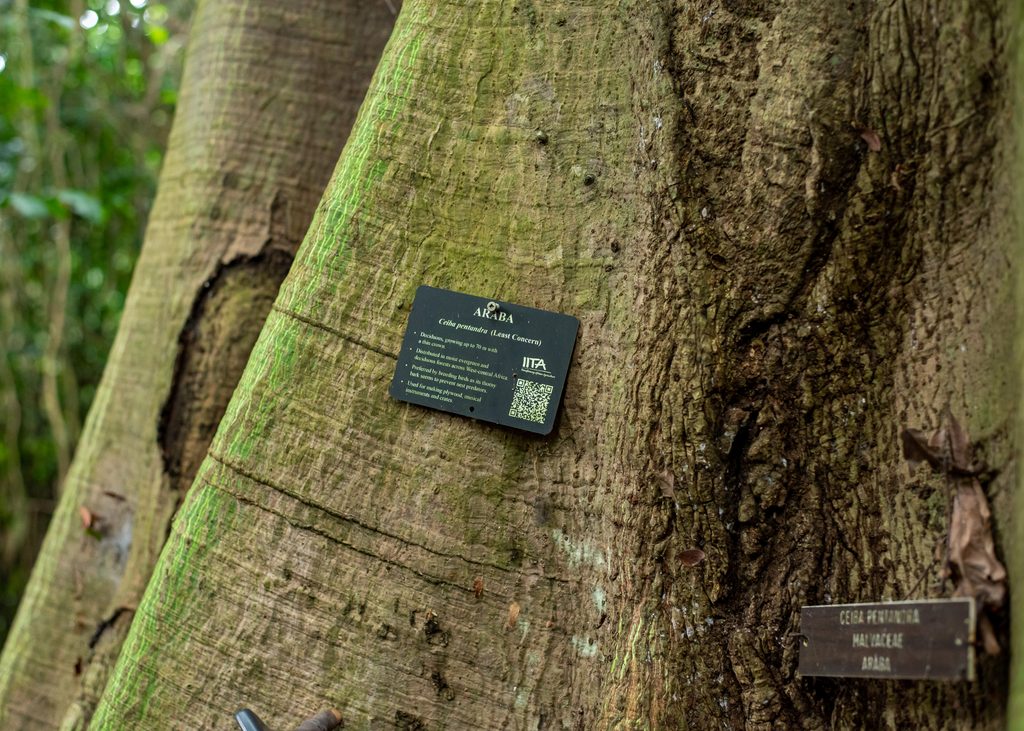
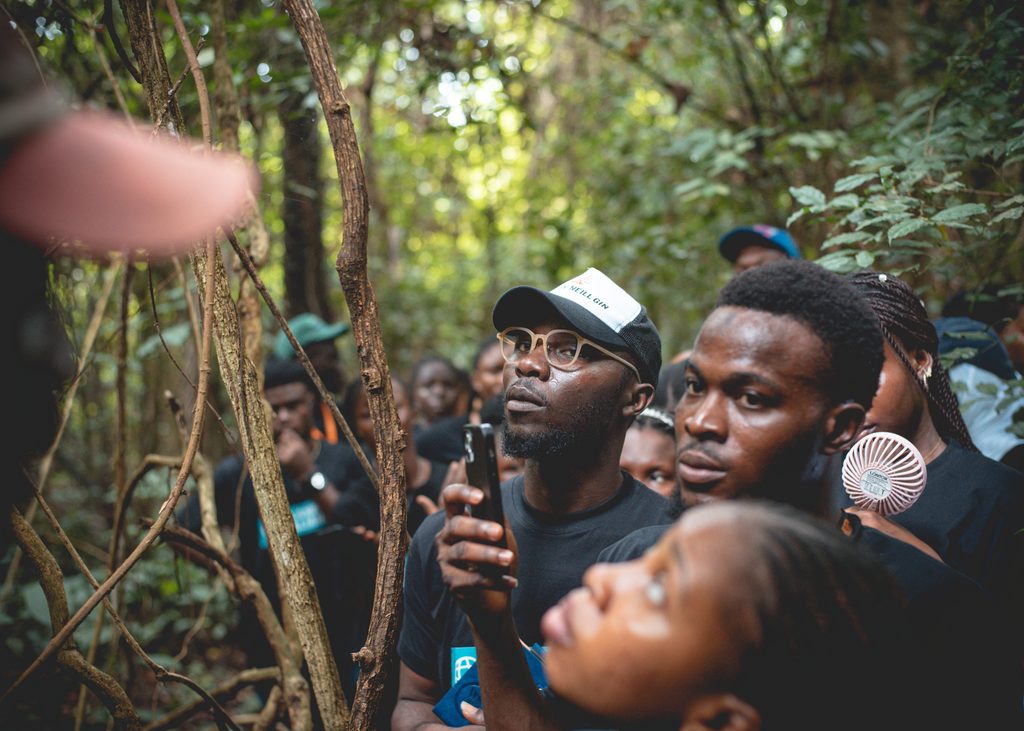
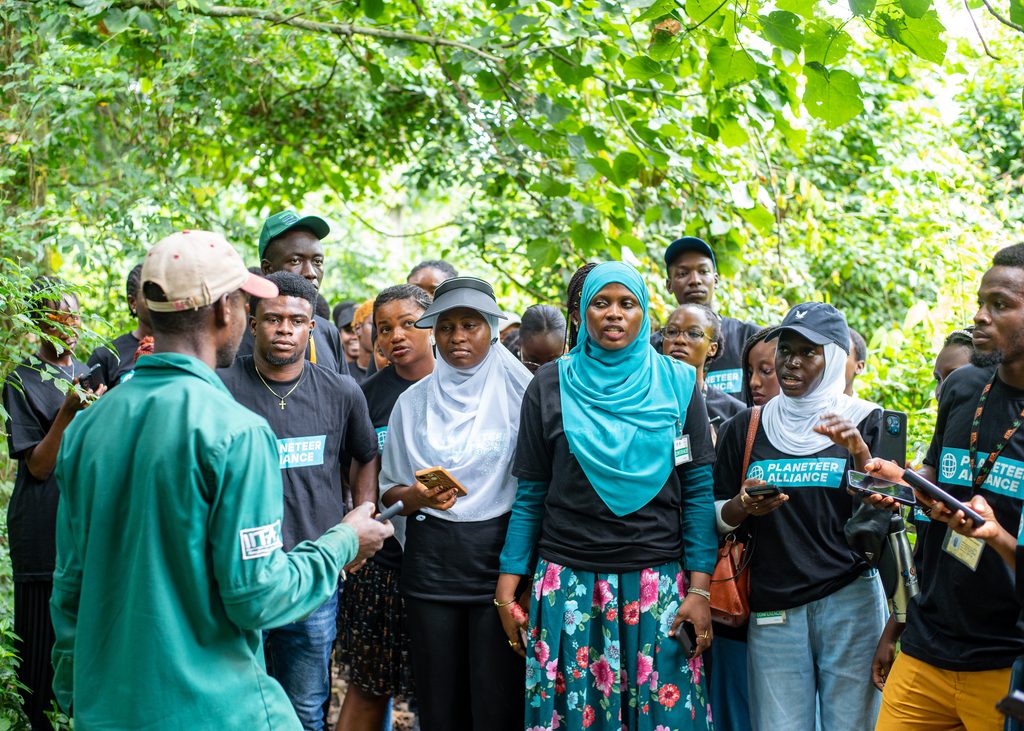
After the forest exploration, delegates gathered at the IITA Lake Peninsula, where the atmosphere became more relaxed. There were photographs, conversations, new friendships and plenty of moments to simply enjoy being together. The forest had created the first connection. The lake created space for the people to connect with one another.
What Does the Future of Forests Look Like?
Back at the summit venue, delegates moved from experiencing nature to thinking about the systems and careers that shape its future.
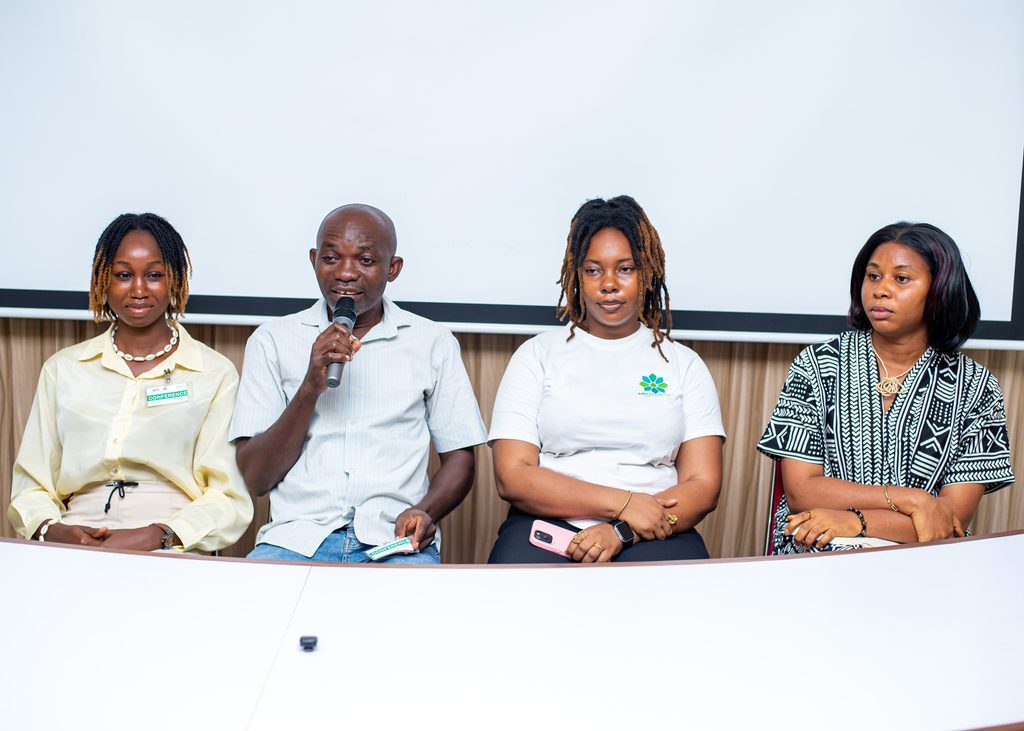
The expert panel, “The Future of Forests: Youth Leadership, Career and New Values,” brought together four professionals working across forestry, environmental education, climate technology and conservation.
Dr. Agwu Patrick, Head of the Department of Forest Resources Management at Osun State University and President of the International Society of Tropical Foresters, Nigeria Chapter, brought an academic and professional forestry perspective.
Faith Eriaremhien, Senior Programme Officer at Green to Abundance Development and Empowerment Foundation (GADEF), works across forest restoration, biodiversity, environmental education and community engagement.
Grace James, Founder of GreenQuest Innovations and CropIQ, brought a different perspective, showing how games, artificial intelligence and emerging technology can create new approaches to environmental and agricultural challenges.
Hannah Omokhaye, Founder and Director of EcoSmart Club, spoke from her experience building environmental education and youth-led green skills initiatives.
Together, the panel explored what it means for young people to lead in conservation, what careers exist within the environmental sector and what values will be needed to build a future where nature is not treated as an afterthought.
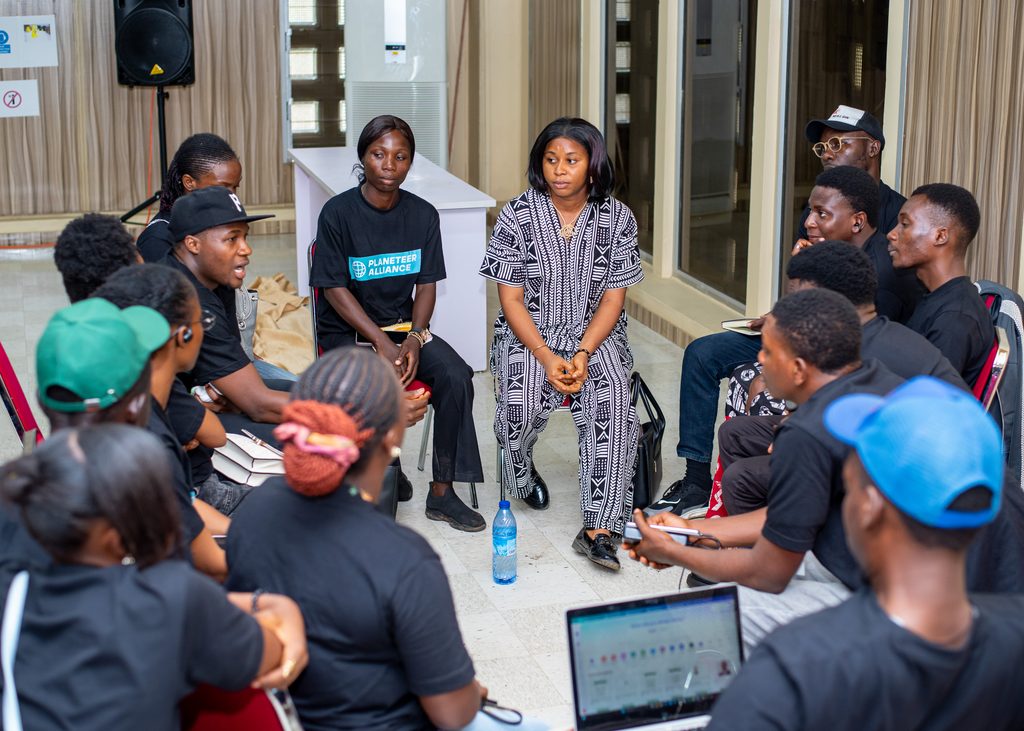
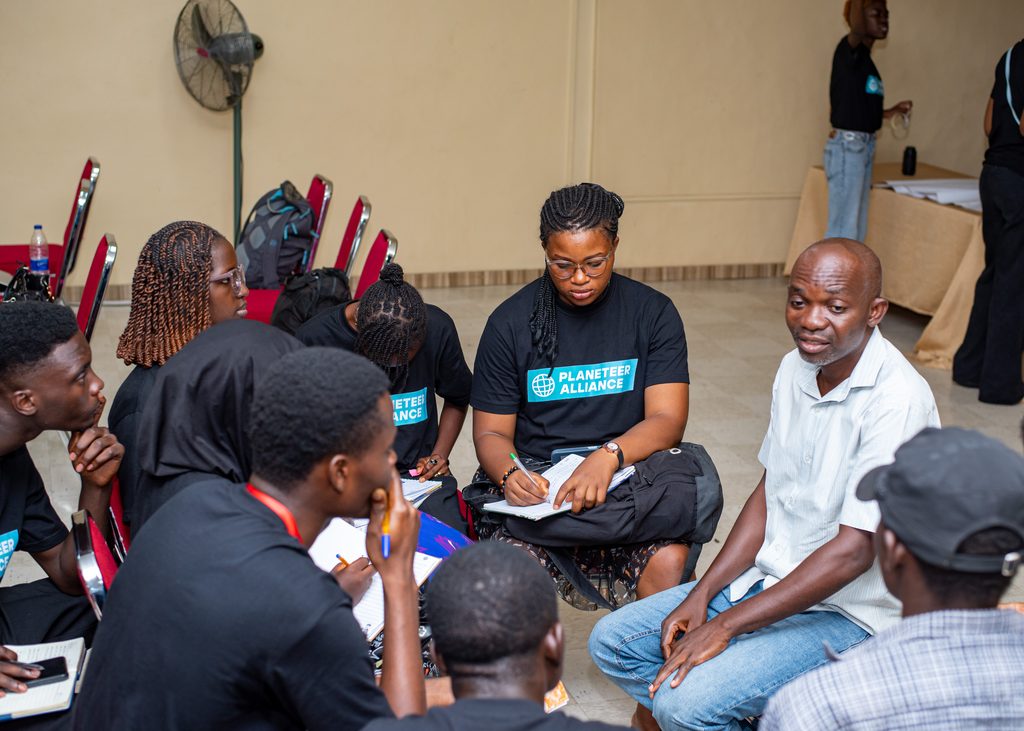
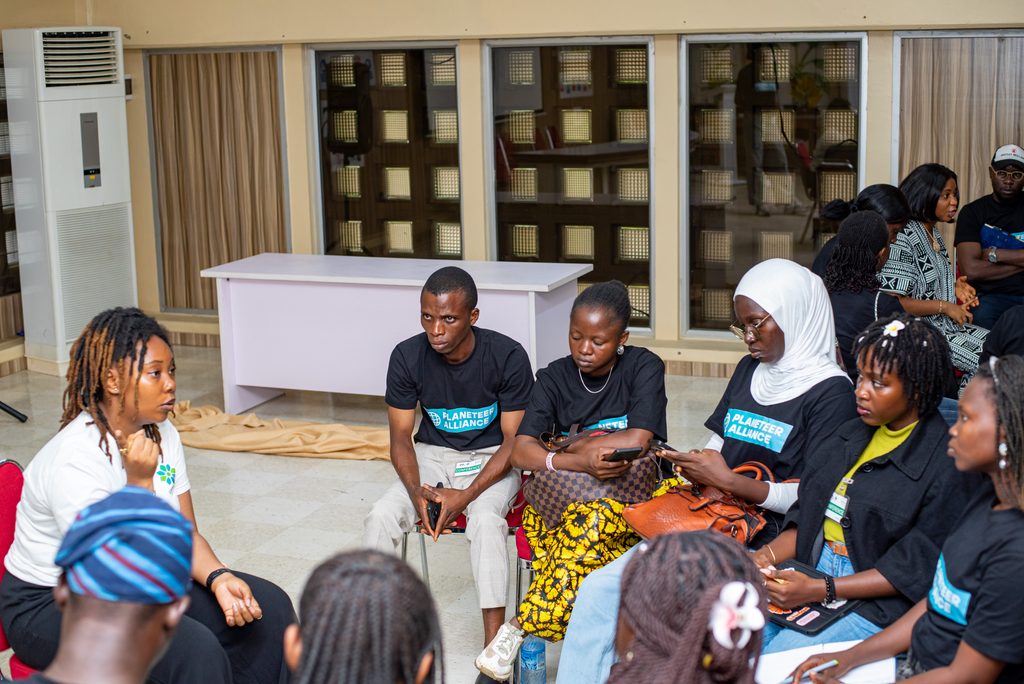
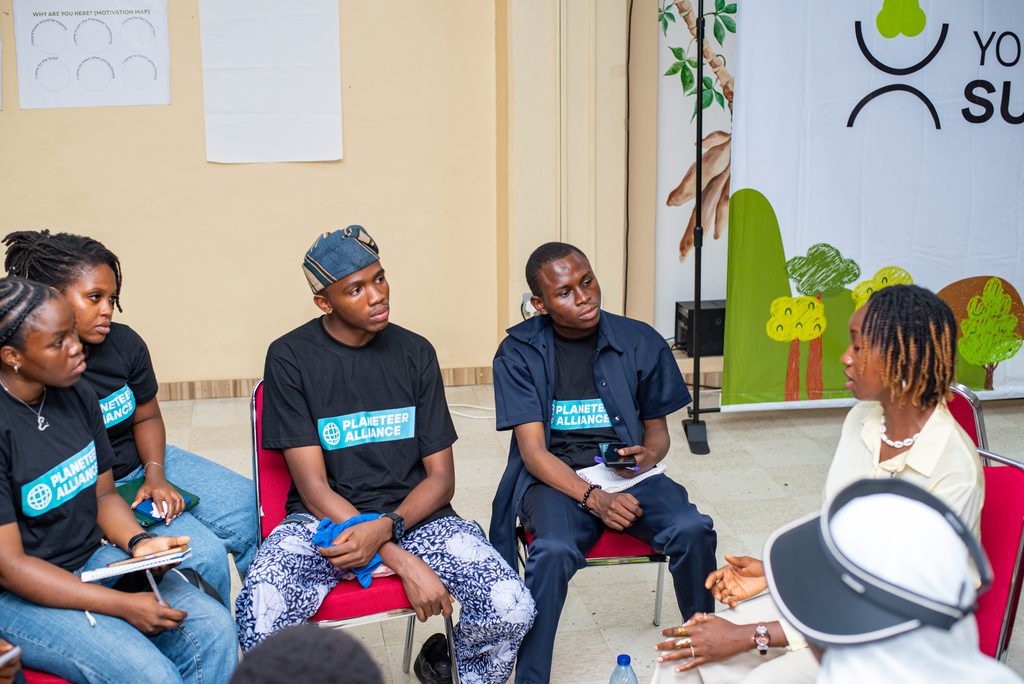
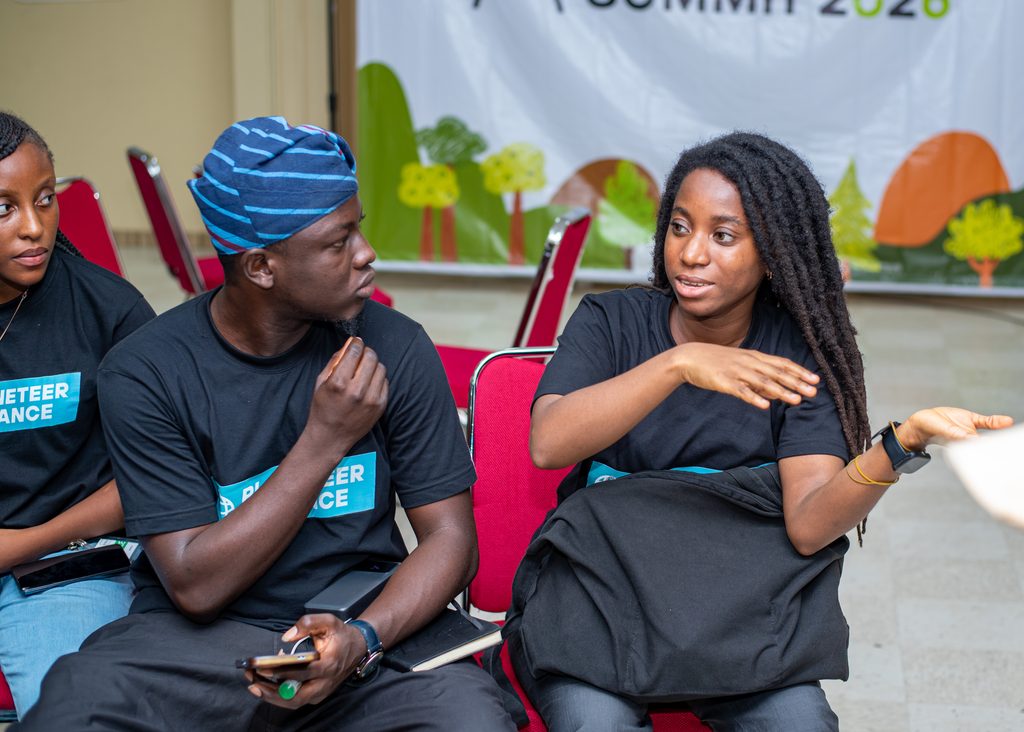
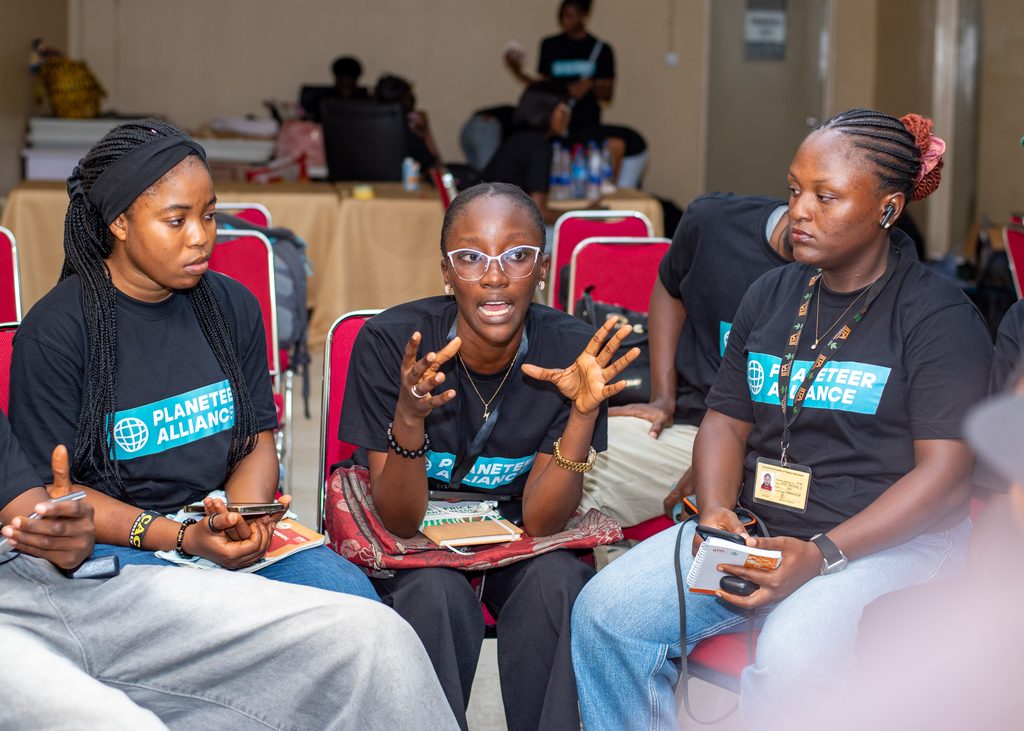
The conversation continued into the Career Café, a more intimate part of the summit where delegates were divided into smaller groups with experts. Instead of sitting in an audience and listening to a panel, young people could ask the questions that often do not get enough space at conferences. The Career Café created a space for direct mentorship and honest conversations about navigating careers in forestry, conservation, agriculture, technology and environmental action.
Youth4Forests was also designed to move delegates beyond identifying problems.
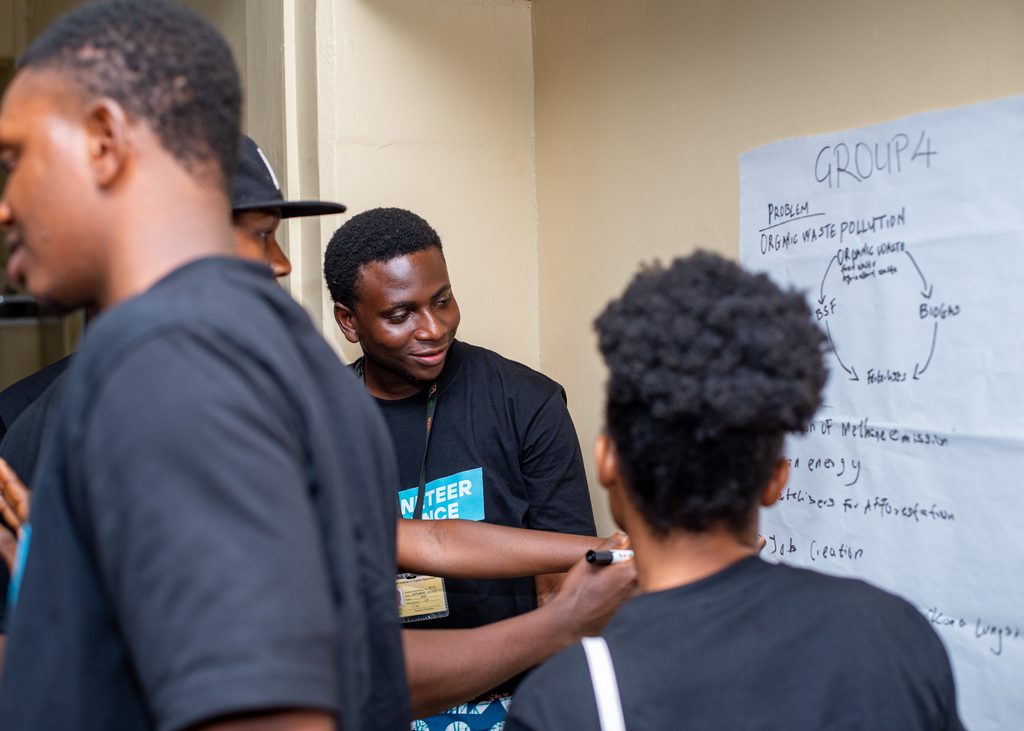
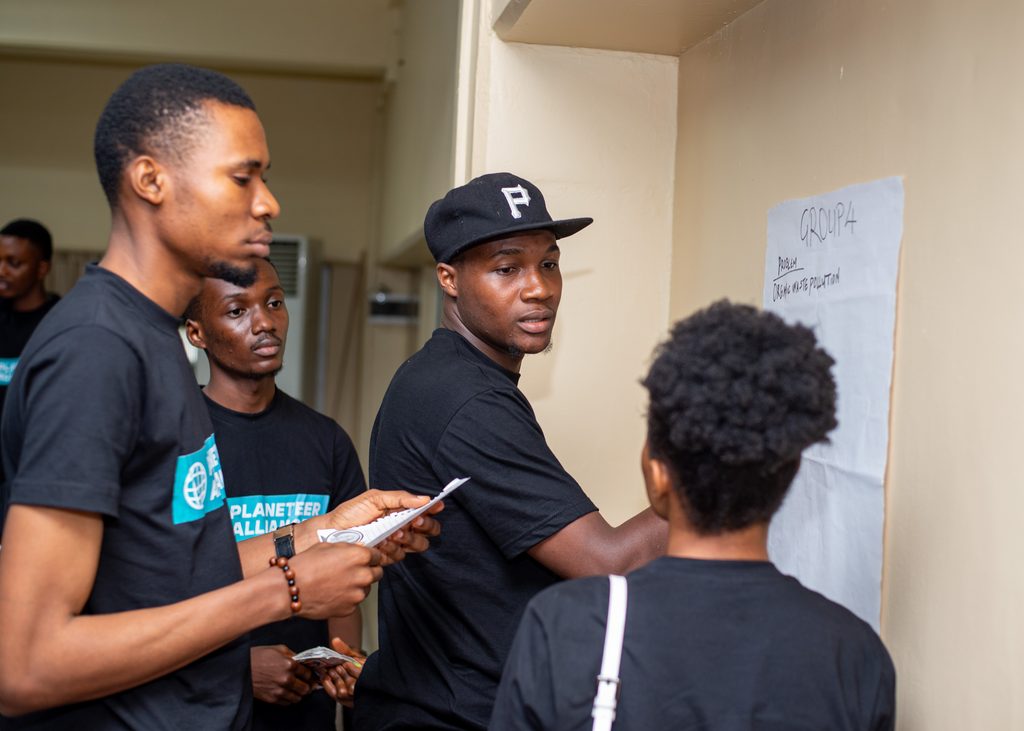
During the Youth4Forests Solution Design Challenge, participants worked together to identify challenges connected to forestry and conservation and began developing practical solutions they could implement.
The exercise brought together different perspectives, backgrounds and experiences. Some participants came with knowledge of forests. Others understood technology, education, agriculture, communication or community organising. The challenge was a reminder that conservation does not belong to one profession. Building solutions for nature requires different kinds of knowledge working together.
Celebrating Young Changemakers
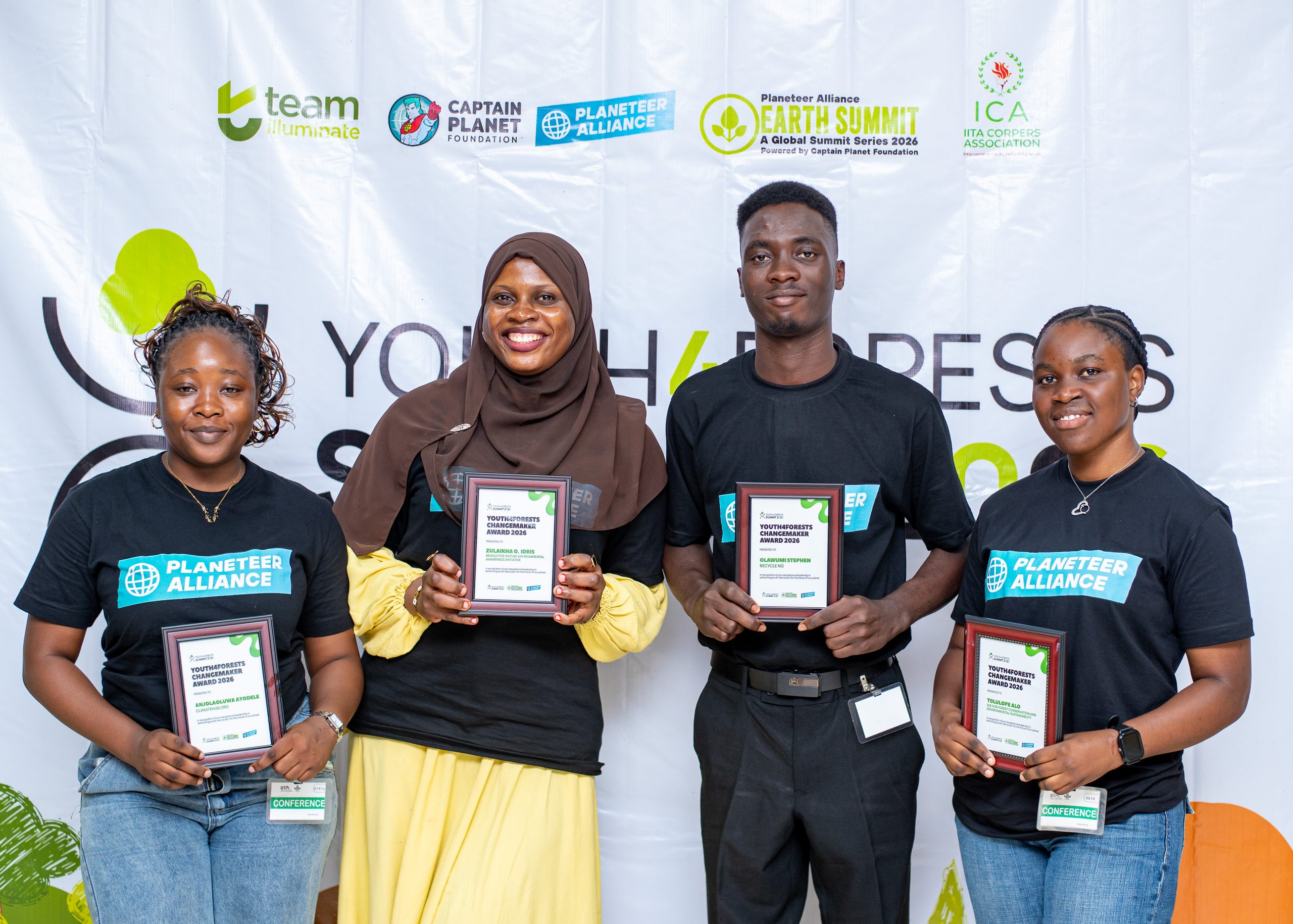
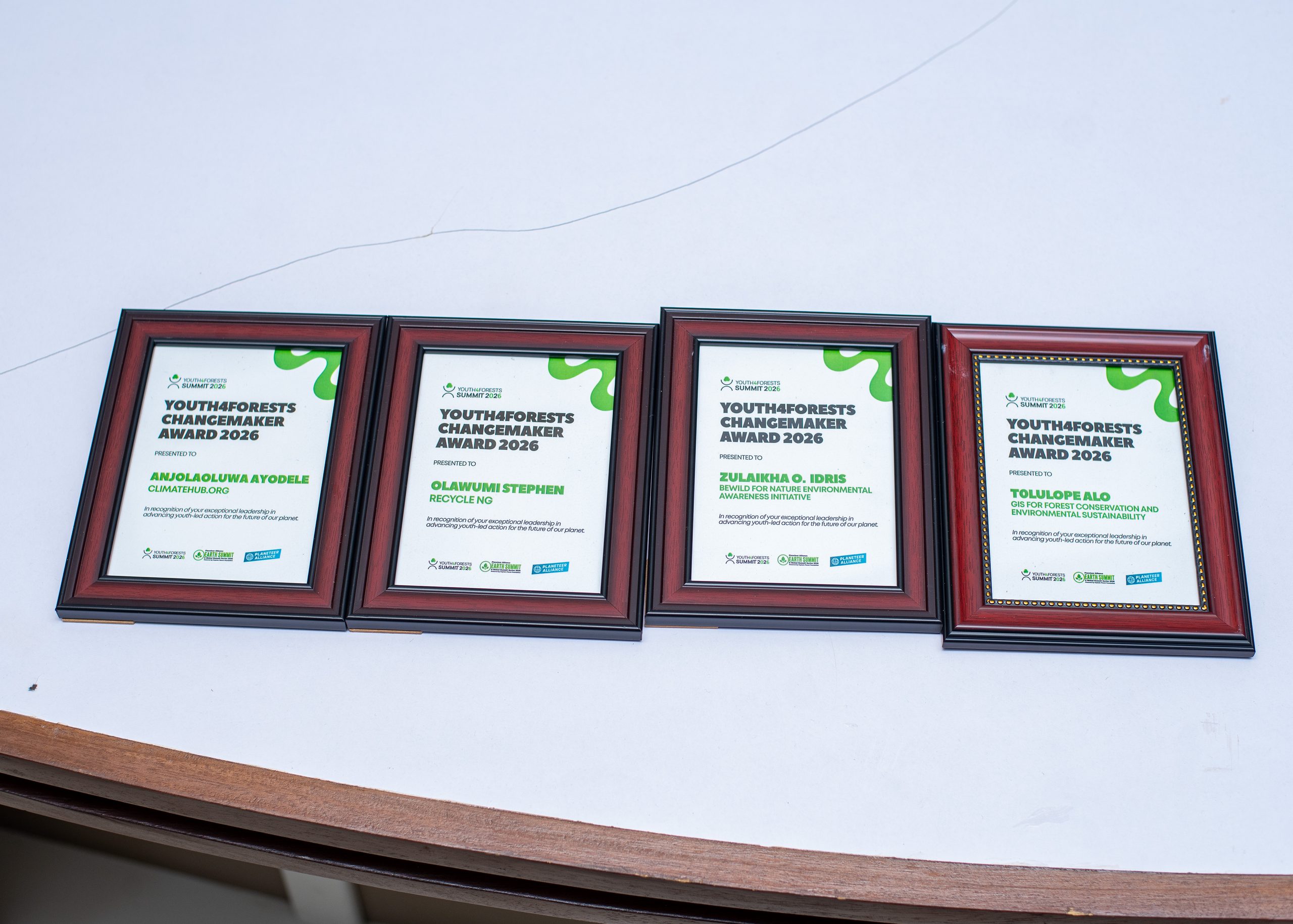
The summit also created a space to celebrate young people who are already moving from ideas to action. Four young leaders from South West Nigeria were recognised as Youth4Forests Changemakers for their work across environmental education, agricultural waste innovation, biodiversity advocacy and forestry technology. The summit also recognised Youth4Forests Ambassadors, young storytellers who helped bring the summit experience to wider audiences through social media.
The Conversation Went Global
But Youth4Forests did not end when delegates left IITA.
The following day, the summit moved online.
The virtual session began with something familiar to many of us who grew up with Captain Planet, a watch party of the Captain Planet and the Planeteers episode “Who Gives a Hoot?” In the episode, the Planeteers work to prove that endangered species live in a forest threatened by clear-cutting, racing against time to protect the ecosystem. It was a fitting way to begin a conversation about forests, conservation and youth action.

The in-person delegates also had the opportunity to share their experiences from the previous day, giving the virtual participants a window into what had happened at IITA.
Participants were then introduced to the Planeteer Alliance, learning more about the global community, opportunities, training and spaces available to young people building solutions for nature.
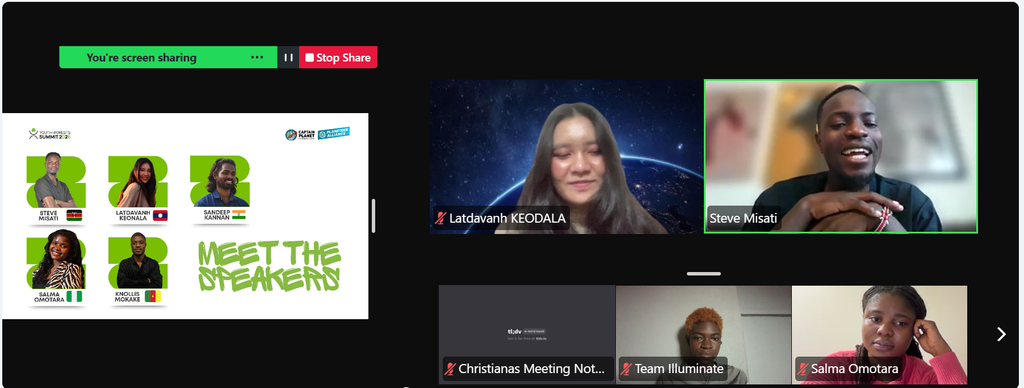
The virtual panel brought together five young conservation leaders from across the world:
Steve Misati, Kenya, is a conservationist and environmental defender and the Founder of Youth Pawa, where he works across ecosystem restoration, marine conservation, climate action, education and community empowerment.
Latdavanh Keodala, Laos, is the Founder of NaturePreneur and a youth advocate working across nature conservation, community forestry and sustainable livelihoods.
Ndumbe Knollis Mokake, Cameroon, is the Founder and Executive Director of CASAD Cameroon, where he works with communities on ecosystem restoration, sustainable livelihoods and resilience in conflict-affected areas.
Salma Omotara, Nigeria, is the Youth Focal Point to the UN Forum on Forests and the Founder of Young & Ecofriendly, working to strengthen youth participation in forest governance and translate forest policy into youth-led action.
Sandeep Kannan, India, is a nature enthusiast and biodiversity documenter who uses nature walks, wildlife observation, photography and citizen science to contribute to biodiversity awareness and documentation.
The panel focused on a question at the heart of the entire summit: How can young people build real solutions for nature and forests?
And the answers came from experience. From mangrove restoration in Kenya, community-led restoration in Cameroon, biodiversity documentation in India, youth participation in forest governance in Nigeria to building conservation initiatives and engaging in international advocacy in Laos.
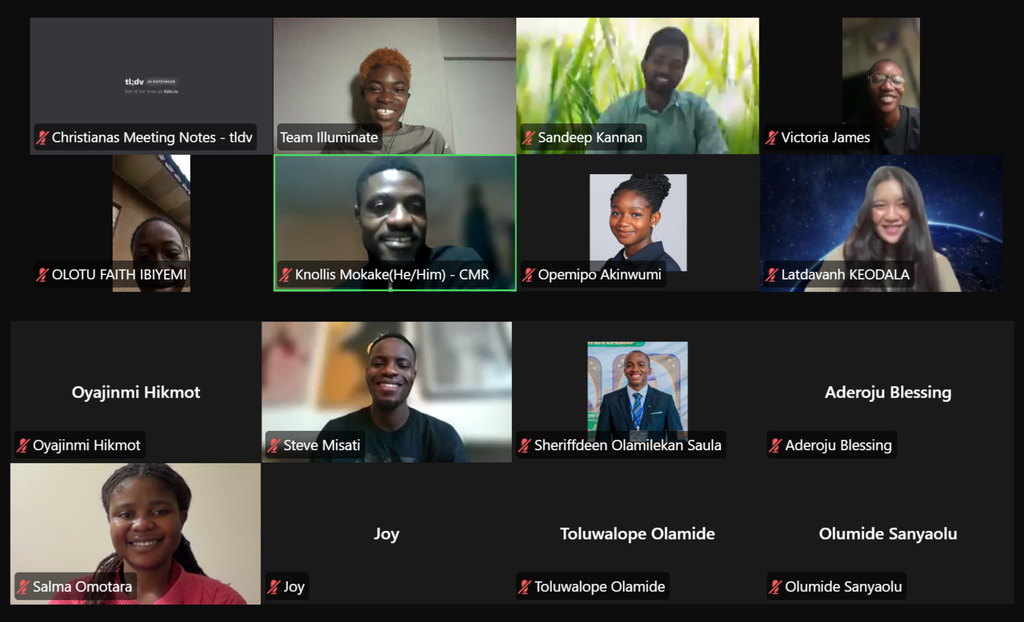
The virtual panel then opened into smaller breakout conversations. Delegates had the opportunity to interact directly with the speakers, ask questions and share their own experiences. It was another important part of the summit’s design. Young people were not only being spoken to. They were given opportunities to speak, ask, challenge, connect and learn directly from people who had already begun walking the path they were considering.
The virtual session also featured games and interactive activities, keeping the conversation energetic and giving participants another way to connect across borders.
When we started thinking about Youth4Forests, we knew we did not want to create another event where young people simply sit in a room, listen to speakers and go home with a certificate. We wanted young people to experience nature. We wanted them to meet people who are building solutions. We wanted them to see conservation as a field with careers, possibilities and different entry points. We wanted them to share ideas with one another.
And we wanted them to leave with a stronger sense that their interest in forests and nature could become something practical. That is why the summit moved between the forest, the lake, the panel room, the career café, the solution sprint, the award stage and the virtual global conversation.
Youth4Forests was made possible because people believed in the idea and showed up to make it happen.
Our appreciation goes to Planeteer Alliance and Captain Planet Foundation for supporting youth-led environmental leadership and making spaces like this possible. The Planeteer Alliance is designed around giving young people opportunities to develop their leadership, connect with peers, access resources and turn environmental ideas into action.
We are also grateful to our partners and supporters, including IITA Corpers Association, Marv Media, Impact Nexus and GreenQuest Innovations, and to the speakers, mentors, volunteers, delegates ,changemakers, ambassadors and everyone who contributed to the experience.
About Youth4Forests
Youth4Forests Regional Planeteer Summit 2026 was hosted by Team Illuminate as part of the Planeteer Alliance Earth Summit Series, with support from the Captain Planet Foundation. The summit brought together young people around forest conservation, biodiversity, environmental education, green careers, youth leadership and practical solutions for nature.